
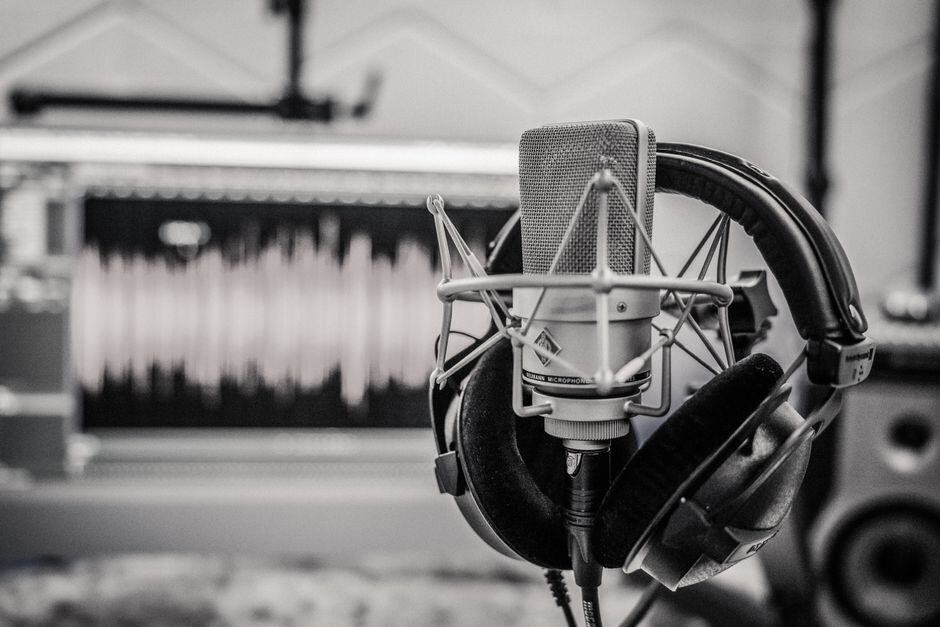
What is sonic branding, and why is it trending right now?
Sonic branding is the deliberate design of sound elements that identify your brand—think of it as a “visual identity” translated into audio. It includes short audio logos (a few notes), longer brand themes, product UI sounds, voice characteristics, and even the “sound of service” (like hold music or in-store ambiance).
It’s trending because modern brand touchpoints are increasingly screenless or low-attention: smart speakers, podcasts, short-form video, voice search, and in-car systems. In these contexts, a consistent sound can do what a logo does on a billboard—signal who you are instantly.
It’s also more measurable than ever. Platforms provide completion rates, recall studies can be run quickly, and brands can A/B test different audio treatments in ads. If you’re already investing in visual identity systems, sonic branding is the missing layer that helps your brand show up consistently where visuals can’t.
How is sonic branding different from “just making a jingle”?
A jingle is a single asset. Sonic branding is a system.
- A jingle is often campaign-specific and may not scale across products or channels.
- A sonic identity is a toolkit: audio logo, mnemonic, music palette, sound effects, voice principles, and usage rules—built to remain recognizable across years and formats.
For example, your brand might need:
- A 0.5–2 second audio logo for app open/close, bumpers, and end cards
- A 6–10 second stinger for social video intros
- A 30–60 second “bed” for explainer videos and podcasts
- UX sounds (notifications, success, error) tuned to match brand personality
When all these pieces share the same musical DNA—tempo, instruments, harmony, and emotional tone—audiences recognize the brand without needing to look.
Where does sonic branding show up in the real world (beyond ads)?
The highest-impact sonic branding often happens in places people don’t label as “marketing,” such as product experiences and service moments. Practical touchpoints include:
- App and product UI: confirmation chimes, payment success tones, “new message” pings
- Retail: curated playlists, checkout sounds, staff audio cues
- Customer support: IVR voice, hold music, “you’re connected” tones
- Events: walk-on music, session bumpers, awards cues
- Podcasts and webinars: intro/outro themes, chapter stingers
- Electric vehicles and devices: safety sounds and functional beeps that communicate brand character
Real-world example: startups that rely heavily on mobile checkout can build trust using a consistent, calming “payment success” sound. Over time, that tiny audio moment becomes a reassurance cue—particularly powerful in fintech, health, and travel.
What are the building blocks of a sonic identity system?
A strong sonic system typically includes:
- Audio logo (mnemonic): A short, repeatable sequence of notes or sound mark. Aim for memorability over complexity.
- Brand theme: A longer musical idea that can be edited into different lengths.
- Sound palette: A set of instruments, textures, and production styles (e.g., warm analog synths + organic percussion).
- UX sound set: Functional tones designed to reduce stress and increase clarity.
- Voice principles: Guidance for casting and performance (pace, warmth, accent approach, vocabulary boundaries).
- Usage guidelines: Rules for volume, placement, tempo ranges, and do/don’t examples.
Actionable tip: treat your sonic identity like a design system. Define tokens (tempo range, key signatures, instrument families) the same way you define color tokens and type scales.
How do you define a brand sound that fits—without relying on personal taste?
To avoid subjective debates (“I like it” vs. “I don’t”), start with brand attributes and convert them into audio parameters.
Step 1: Choose 3–5 brand attributes
Example: “calm, precise, modern, optimistic.”
Step 2: Translate attributes into sound decisions
- Calm: slower tempo (70–95 BPM), softer transients, fewer sharp high frequencies
- Precise: tight rhythm, clean attacks, minimal reverb, clear melodic intervals
- Modern: contemporary synth textures, subtle sidechain, crisp mix
- Optimistic: major or mixolydian modes, rising melodic contours
Step 3: Test with context, not headphones
Evaluate sounds where they’ll live: in-app, in a 6-second pre-roll, in-store, through phone speakers, and on low-quality Bluetooth systems. Sonic branding succeeds when it still works under imperfect conditions.
What metrics can you use to measure if sonic branding is working?
Sonic identity isn’t just “vibes”—you can measure it with a mix of brand and performance metrics:
- Brand recall and recognition: Run a blind test: play the mnemonic and ask respondents to identify the brand.
- Attribution lift: Compare ad versions with and without sonic assets; measure brand attribution and recall.
- Completion rate and watch time: On short video ads, audio cues can reduce skip behavior (especially when used early).
- UX metrics: In product, track support tickets tied to “unclear feedback” and compare before/after new sound design.
- Sentiment and qualitative feedback: Ask users what the sound “feels like” and whether it matches your brand promise.
Practical tip: build a small “audio A/B toolkit” for marketing. Even basic split tests can indicate whether your mnemonic improves brand lift or recognition.
How do accessibility and inclusion change the way you design brand sound?
Great sonic branding respects that not everyone hears the same way—or wants audio at all.
- Offer redundancy: Pair audio cues with visual and haptic feedback in product UX.
- Avoid painful frequency spikes: Keep high-frequency content controlled; test with a range of listeners.
- Design for volume variability: Ensure the mnemonic remains recognizable at low volumes.
- Provide user control: Let users mute non-essential sounds while keeping critical alerts distinct.
In practical terms, accessibility-aware sound design reduces frustration and increases trust—especially in healthcare, finance, education, and public services.
What about AI voices and deepfakes—how do you protect brand trust?
As synthetic audio becomes more common, brands need “voice governance.” Consider:
- Voice licensing clarity: If you use a voice actor, ensure contracts cover AI replication restrictions.
- Voice print and watermarking: For high-risk industries, explore audio watermarking or verification workflows.
- Approved voice library: Define a small set of approved voices (and alternates) with clear usage rules.
- Crisis playbook: Create a response plan for impersonation incidents.
Public awareness of synthetic media is rising. For ongoing coverage of technology’s impact on society—including media authenticity and platform behavior—resources like The Guardian’s technology reporting can be a helpful reference point when building internal guidelines.
Can small brands and startups afford sonic branding, or is it only for global companies?
Small brands can do it—if they scope it correctly. You don’t need a full orchestra or a massive campaign. Start with high-leverage assets:
- A 1-second mnemonic (delivered in a few variations: bright, neutral, soft)
- A 15–30 second music bed that can loop cleanly
- Basic usage guidelines (where it goes, how loud, what not to do)
Actionable approach: commission a minimal “sonic starter kit” and expand later. The key is consistency: using the same mnemonic across social videos, podcast spots, and product moments builds recognition faster than a one-off masterpiece you rarely deploy.
What are common mistakes brands make with sonic identity?
- Overcomplicating the mnemonic: If people can’t hum it (or at least remember its contour), it won’t stick.
- Designing in isolation: A sound that’s impressive in a studio can fail on phone speakers or in noisy spaces.
- Ignoring cultural context: Certain instruments, scales, or rhythms carry strong regional associations—use them intentionally.
- Inconsistent use: Recognition comes from repetition. If each agency or team uses different music, you lose equity.
- Forgetting legal clearance: Ensure music is original or properly licensed for all channels and geographies.
Quick fix: create a single source of truth—an internal page or downloadable kit—with audio files, editing rules, and examples.
How do you roll out sonic branding across teams without chaos?
A rollout plan makes the difference between a sonic identity that’s used and one that sits in a folder.
- Start with priority touchpoints: For many brands, that’s paid social video + product notification sounds.
- Ship templates: Provide Premiere/After Effects templates, podcast intro packages, and app sound libraries.
- Train stakeholders: Host a short workshop for marketing, product, and customer support teams.
- Create an approval process: Decide who can approve new audio assets and how updates are versioned.
- Measure and iterate: Collect feedback, track performance, refine the system.
Practical tip: appoint a single owner (often brand or creative ops) responsible for governance, file management, and periodic updates.
Conclusion: Is sonic branding worth investing in?
If your brand communicates through video, audio platforms, apps, or voice interfaces, sonic branding is one of the most underutilized ways to build recognition and trust. The goal isn’t to make noise—it’s to create a consistent, ownable sound that works across real customer moments: the ad they half-watch, the checkout they hope goes through, the support call they’d rather not make.
Start small with a mnemonic and a simple system, test in context, and treat sound like a core part of your identity toolkit. Over time, a well-governed sonic identity becomes a shortcut to brand meaning—one your audience can recognize in a second.